
Poland’s Culinary Delights: 7 Traditional Dishes to Try
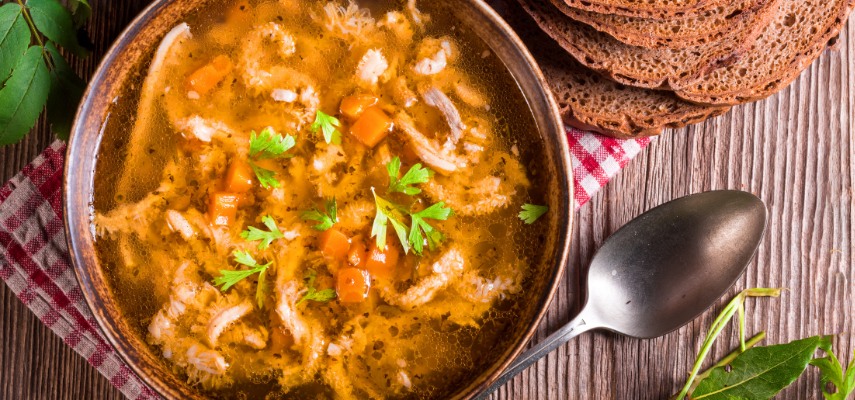
Polish food is hearty, regional, and deeply tied to the calendar — a cuisine shaped by cold winters, dense forests, Catholic fasting traditions, and centuries of cultural exchange across Central Europe. This guide covers the dishes travelers actually encounter in Poland, where to find them, and what separates authentic versions from tourist-trap imitations.
At a Glance
- Polish cuisine is built on four staples: pork, cabbage (fresh and fermented), potatoes, and bread — with dairy, grains, and foraged mushrooms in supporting roles.
- Bigos (hunter’s stew) is the dish most often called Poland’s national dish, celebrated in Pan Tadeusz, the 1834 national epic by Adam Mickiewicz.
- Dozens of Polish food products hold EU PDO, PGI, or TSG protection — including oscypek cheese (PDO, 2008), kiełbasa lisiecka (PGI, 2010), and the Kraków obwarzanek (PGI, 2010).
- Wigilia, the Christmas Eve dinner, is the most important food ritual of the year: twelve meatless dishes, symbolizing the twelve apostles, centered on carp, barszcz, pierogi, and herring.
- Milk bars (bary mleczne) — state-subsidized cafeterias dating back to 1896 — remain the cheapest and most authentic way to eat traditional Polish food.
- Vegetarians are better served than you might expect: classic pierogi ruskie, potato pancakes, buckwheat dishes, and mushroom soups are meat-free by tradition.
What Defines Polish Cuisine
Polish cooking grew out of necessity more than ceremony. Long winters meant preserving everything: sauerkraut from summer cabbage, smoked meats from autumn slaughters, dried mushrooms foraged before the frost, pickled cucumbers, root vegetables stored in cellars. The pantry shaped the table.
Three influences layered over that base. From the east came kasha (buckwheat), dumplings, and sour-fermented soups. From Germany and Austria came sausages, schnitzel-style cutlets, and strudels. From Jewish communities — who made up nearly a third of Warsaw’s population before World War II — came gefilte fish, cholent-like stews, and the bagel, which likely evolved from Kraków’s obwarzanek. Italian influence arrived with Queen Bona Sforza in the 16th century; the greens Poles still call włoszczyzna (literally “Italian stuff”) — carrots, celery root, parsley root, leek — are her legacy.
The result is a cuisine that tastes of place: smoke, sour cream, dill, marjoram, caraway, dried forest mushrooms, and cabbage in nearly every form. It is rarely spicy, often fermented, and almost always served in portions sized for people who work outdoors.
Eight Traditional Polish Dishes to Know
Pierogi — Poland’s Signature Dumpling

Pierogi are half-moon dumplings of thin, unleavened dough, boiled and often finished in a pan with butter or bacon fat. They are Poland’s best-known dish abroad, and locally they come in more varieties than any restaurant menu can hold.
The classic fillings every traveler will meet:
- Ruskie (Ruthenian-style) — potato, twaróg cheese, and fried onion. The most common and, despite the name, unambiguously Polish.
- Z mięsem — seasoned ground meat, usually pork or a pork-beef mix.
- Z kapustą i grzybami — sauerkraut and dried forest mushrooms, served on Christmas Eve.
- Z truskawkami / z jagodami / z serem na słodko — sweet fillings (strawberries, blueberries, sweet curd cheese), served with sour cream and sugar. Summer only for the fruit versions.
Order them boiled (the default) or fried (smażone). A portion is usually eight to ten pieces. Look for places that make them daily — a good pierog has a thin, almost translucent dough, not a thick pasta wrapper.
Bigos — The Hunter’s Stew

Bigos is the dish most often called Poland’s national dish. It’s a slow-cooked stew of sauerkraut, fresh cabbage, and multiple meats — typically pork shoulder, smoked sausage, and whatever else the kitchen has on hand, from beef to game. Good bigos simmers for hours, then rests and reheats over several days, deepening in flavor each time.
The dish has a clear cultural pedigree. Recipes appear in Compendium Ferculorum, the oldest Polish cookbook, published in 1682 — though those early versions contained no sauerkraut. Adam Mickiewicz devoted a passage of Pan Tadeusz (1834), the Polish national epic, to bigos eaten by hunters in the forest. Historically, noble hunting parties carried sealed pots of pre-cooked bigos into the woods, reheating them over fire during multi-day hunts.
Order it as a main course with rye bread, or as a starter before a heavier meal. It’s a winter dish by preference, but you’ll find it year-round in traditional restaurants and milk bars.
Żurek — Sour Rye Soup

Żurek is a tangy, cloudy soup built on zakwas — a fermented rye starter, similar in principle to sourdough but used as a liquid base. It’s most often served with slices of white sausage (biała kiełbasa) and hard-boiled egg. In tourist restaurants, it comes in a hollowed-out bread bowl; in home kitchens and milk bars, it’s served plain in a ceramic bowl.
Żurek is strongly associated with Easter breakfast, when the blessed white sausage from the Święconka basket goes into the pot. The flavor is sharp and distinctly sour — a deliberate contrast to the richness of Polish holiday food. If your first spoonful feels surprising, you’re tasting it correctly. A closely related soup, barszcz biały (white borscht), is often confused with żurek but uses a wheat-based starter instead of rye.
Barszcz — Beetroot Soup

Barszcz czerwony (red borscht) is a clear, ruby-colored broth made from fermented or roasted beets, finished with a touch of lemon juice or vinegar to keep the color bright. It is the opening course of Wigilia, the Polish Christmas Eve dinner, where it’s served with uszka — tiny dumplings filled with dried mushrooms.
Outside of Christmas, barszcz appears in two everyday forms: a richer, creamy version called barszcz ukraiński (with vegetables and beans), and a clear consommé served in a mug as a winter street-food warmer, sometimes with a small pastry (krokiet or pasztecik) on the side.
Kotlet Schabowy — The Polish Pork Cutlet

If you ask a Pole what they actually eat at home on Sunday, the answer is often kotlet schabowy: a pork loin cutlet, pounded thin, breaded in flour, egg, and breadcrumbs, and pan-fried in generous fat. It is served with mashed potatoes and one of two classic salads — surówka z kapusty (shredded cabbage with carrot and apple) or mizeria (cucumber in sour cream with dill).
The dish is a close Polish cousin of the Austrian Wiener Schnitzel — Wiener is made from veal, kotlet schabowy from pork, but both share the breaded-cutlet tradition of the Habsburg table, a reminder of the long period when southern Poland was part of that empire. Don’t confuse it with kotlet mielony (a ground-pork patty) or kotlet de volaille (chicken Kiev-style, stuffed with butter). On a Polish Sunday menu, schabowy is the default.
Placki Ziemniaczane — Potato Pancakes

Placki ziemniaczane are grated raw potatoes, bound with egg, onion, and flour, then fried until the edges are crisp and the interior stays tender. They appear everywhere — on milk bar trays, at mountain inns, in home kitchens.
Two serving traditions compete. The savory version comes with sour cream and a grind of black pepper. The “highlander” version (placki po zbójnicku) is topped with a rich meat goulash and is a staple of mountain restaurants in Zakopane and the Podhale region. A sweeter treatment — placki with sugar, sometimes cinnamon — exists but is less common on restaurant menus.
Gołąbki — Stuffed Cabbage Rolls
Gołąbki (literally “little pigeons”) are cabbage leaves wrapped around a filling of rice or barley, minced pork or beef, onion, and herbs, then braised slowly in tomato or mushroom sauce. They are Sunday dinner food — the kind of dish a Polish grandmother measures by the dozen.
The name comes from the shape, not the bird. Wartime scarcity produced a meatless variant with just grains, mushrooms, and cabbage, still served today and genuinely good. Expect portions of two to four rolls with mashed potatoes or bread.
Sernik — Polish Cheesecake

Sernik is dense, slightly dry, and made from twaróg — Polish farmer’s cheese, a fresh curd cheese closer to German quark than to American cream cheese. The texture is firmer and less sweet than a New York cheesecake, with a pleasant granular quality from the twaróg itself.
The classic version is baked on a thin shortcrust base and studded with raisins or lemon zest. Sernik krakowski — the Kraków variation — has a distinctive lattice of pastry strips on top. It’s the default Polish dessert: every home bakery makes one, every coffee house serves a slice.
Also Worth Trying
These aren’t the marquee dishes, but they’re the next layer — things a curious traveler will stumble into at markets, mountain lodges, and Christmas tables.
- Kiełbasa — sausage is not one dish but a whole family. Kiełbasa lisiecka (PGI, Kraków region) and kiełbasa krakowska sucha staropolska (TSG) are among the protected varieties; kabanosy staropolskie (TSG) are thin, dried, peppery smoked sticks often eaten as a snack with beer. Grilled sausage is also ubiquitous Polish street food.
- Oscypek — a spindle-shaped, salted, smoked sheep’s-milk cheese from the Tatra highlands, produced only from late April to early October from pasture milk. It holds EU PDO protection (registered February 2008). In mountain restaurants it’s grilled and served with cranberry jam.
- Obwarzanek krakowski — the braided, ring-shaped bread sold from blue carts all over Kraków, topped with salt, poppy seeds, or sesame. Around 150,000 are sold daily. It holds PGI status (2010) and can only be legally produced in Kraków and Wieliczka counties.
- Zapiekanka — an open-faced baked baguette with mushrooms, cheese, and a drizzle of ketchup; the late-communist street food that never left. The most famous versions come from the round market in Kraków’s Plac Nowy in Kazimierz.
- Śledzie — pickled herring in oil with onion and apple, or in cream. A cold appetizer, served at Wigilia, at Easter breakfast, and with cold vodka on any festive occasion.
- Pączki — deep-fried yeast doughnuts filled with rose-hip jam, plum jam, or custard. Eaten year-round, but devoured by the millions on Fat Thursday (Tłusty Czwartek), the last Thursday before Lent.
- Makowiec — a rolled poppy seed cake with a spiral cross-section, served at Christmas and Easter. Sweet, dense, and distinctly Central European.
- Flaki — a tripe soup flavored with marjoram and vegetables. An acquired taste for visitors; a comfort food for many Poles, especially as a winter hangover cure.
Polish Food at a Glance — Quick Reference
A compact view of the eight hero dishes covered above. Use it to plan what to order on a short visit, or to decide what fits a vegetarian table.
| Dish | Category | Best season | Meat-free version? | Where you’ll find it |
|---|---|---|---|---|
| Pierogi | Dumpling | Year-round; sweet fillings in summer | Yes (ruskie, mushroom, sweet) | Milk bars, pierogarnie, every Polish home |
| Bigos | Stew | Autumn, winter | Rare; meat-heavy by definition | Traditional restaurants, mountain inns |
| Żurek | Soup | Easter especially; year-round | Yes (vegetable stock base) | Milk bars, traditional restaurants |
| Barszcz czerwony | Soup | Christmas Eve, cold months | Yes (beet-and-vegetable base) | Street stalls in winter, Wigilia tables |
| Kotlet schabowy | Main course | Year-round | No; it’s a pork cutlet | Home Sunday lunch, milk bars, traditional restaurants |
| Placki ziemniaczane | Side or main | Year-round | Yes (standard version) | Milk bars, mountain restaurants (as placki po zbójnicku) |
| Gołąbki | Main course | Year-round; comfort food in winter | Yes (grain-and-mushroom version) | Sunday dinners, traditional restaurants |
| Sernik | Dessert | Year-round | Yes (it’s a cake) | Home bakeries, coffee houses, every traditional restaurant |
Polish Food by Season and Occasion
Wigilia — Christmas Eve Dinner

Wigilia is the most elaborate food ritual in the Polish calendar, held on December 24 and starting when the first star appears in the sky. Tradition calls for twelve dishes — one for each of the apostles — all meatless, reflecting the Catholic fast that historically extended to Christmas Eve.
Before anyone eats, families break opłatek, a thin wafer of unleavened bread, exchanging wishes for the year ahead. An extra place is set at the table for an unexpected guest. Hay is slipped under the tablecloth as a reminder of the manger.
The dishes vary by region and family, but the backbone is consistent:
- Barszcz czerwony with uszka, or mushroom soup
- Fried or jellied carp (karp)
- Herring in oil and herring in cream
- Pierogi z kapustą i grzybami (sauerkraut and mushroom)
- Kapusta z grochem (sauerkraut with yellow peas)
- Kutia (wheat berries with poppy seeds, honey, dried fruit and nuts — more common in eastern Poland)
- Makowiec and piernik (spiced gingerbread)
- Kompot z suszu (dried-fruit compote)
Traditionally, no alcohol is served during the Wigilia meal itself, though this is observed more strictly in some families than others. After supper, families sing carols and often attend Pasterka, the midnight Mass.
Easter — Śniadanie Wielkanocne
Easter breakfast is the antidote to Lent. After six weeks of meatless Fridays, the table fills with white sausage, żurek, cold cuts, horseradish, and mazurek — a thin shortcrust cake with layered toppings of caramel, dried fruit, or icing. Eggs, decorated as pisanki, sit at the center.
Autumn — Mushroom Season
From late August through October, Poles take to the forests. Mushroom foraging is a national pastime, and the autumn larder fills with borowiki (porcini), podgrzybki, and kurki (chanterelles). Look for mushroom soup (zupa grzybowa), mushroom-stuffed pierogi, and forest-mushroom sauces on restaurant menus during these months. The dried porcini stored from autumn will reappear on every Wigilia table in December.
Spring — Asparagus, Strawberries, and Morels
Late spring brings Polish asparagus (szparagi), strawberries from Kaszuby (the PGI-protected kaszëbskô malëna), and a brief morel season. Market stalls pivot almost overnight; menus at good restaurants follow.
Where to Eat Polish Food
Milk Bars — Bary Mleczne
Milk bars are cafeteria-style eateries that date back to 1896, when dairy farmer Stanisław Dłużewski opened Mleczarnia Nadświdrzańska on Warsaw’s Nowy Świat. Under communism, the state subsidized them as cheap canteens for workers; at the peak, there were roughly 40,000 nationwide. Today fewer than 150 remain, but they are still partly state-subsidized — prices that would be impossible in a regular restaurant are held artificially low by design.
The food is plain, made fresh daily, and unmistakably Polish: pierogi, placki, kotlet schabowy, żurek, bigos, leniwe (lazy dumplings of twaróg and flour), kompot to drink. A full meal typically costs PLN 20–35. Service is cash-first, self-order at the counter, trays returned yourself. Menus are rarely in English. Bring a translation app and point — that’s the system.
A few milk bars with long track records and consistent visitor-friendly reputations:
- Bar Mleczny Prasowy (Warsaw, Marszałkowska 10/16) — Warsaw’s oldest surviving milk bar, operating since 1954, in Śródmieście.
- Bar Bambino (Warsaw, Hoża 19, corner of Krucza) — operating since 1959, popular with locals at lunch.
- Bar Mleczny Neptun (Gdańsk, Długa 33/34) — on the main tourist street but still serving full milk-bar fare from 7:30 AM.
- Milkbar Tomasza (Kraków, Świętego Tomasza 24) — a modernized version, English menus available, good for first-timers.
Traditional Restaurants
For a fuller, sit-down experience, Polish cuisine has a strong middle tier of established traditional restaurants, often with interiors themed around manor-house or highlander aesthetics. In major tourist cities, look for places with a long operating history and a menu that hasn’t drifted into generic European fare. Expect to pay PLN 80–150 per person for two courses and a drink in Warsaw or Kraków; less in smaller cities.
Food Halls and Markets
- Hala Koszyki (Warsaw) — a restored 1909 market hall now hosting Polish and international food stalls, good for tasting multiple regional styles in one place.
- Stary Kleparz (Kraków) — Kraków’s oldest functioning market (trading on the same site since the 14th century), best for cheeses, smoked meats, seasonal produce, pickles, and breads.
- Hala Mirowska (Warsaw) — a working market where Warsaw households actually shop; go early for the best selection.
Insider Tips
A few things worth knowing before you order, particularly in Kraków, Warsaw, and the southern highlands.
- Real obwarzanek has EU PGI status and can only be produced in Kraków or Wieliczka counties. If you see “obwarzanek” sold in Warsaw, Gdańsk, or abroad, it’s legally a different product — often a standard bread ring. On the authentic version, you’ll see longitudinal marks on the bottom from the wicker basket; mass-produced fakes have small round impressions instead.
- Oscypek is strictly seasonal. Genuine oscypek can only be produced between late April and early October, when Tatra sheep are on pasture. What’s sold year-round in tourist shops is often gołka or a lookalike smoked cow’s-milk cheese. Look for the EU PDO label and buy at the source in Zakopane, Kościelisko, or from licensed bacówki (shepherd’s huts).
- Milk bars subsidized by the state list prices with odd decimal endings (like PLN 8.37 for pierogi), recalculated regularly against costs. Non-subsidized milk bars round up (PLN 9.00). Both are good; the subsidized ones are cheaper.
- Carp is the Christmas fish, not a year-round favorite. If you’re not in Poland in late December, you’re better off ordering another fish — trout from Ojców or pike-perch (sandacz) from the Mazurian lakes travel better on everyday menus.
- Bigos is better on day two or three. Restaurants that advertise “fresh” bigos are missing the point. Traditional preparation involves cooking, cooling, and reheating over several days to develop flavor.
- Tipping is 10% and usually given in cash even when paying by card. Saying “dziękuję” (“thank you”) when paying in Poland traditionally signals “keep the change” — be explicit if that’s not what you mean.
- A zapiekanka at Plac Nowy in Kraków’s Kazimierz is cheap, fast, and genuinely local. The round market building (okrąglak) houses several competing stalls, open late. It’s the city’s late-night tradition, not a tourist trap.
Frequently Asked Questions
What is Poland’s national dish?
Bigos, a long-simmered sauerkraut-and-meat stew, is the dish most often described as Poland’s national dish. It’s celebrated in Pan Tadeusz (1834), the Polish national epic, and appears in Poland’s oldest printed cookbook, Compendium Ferculorum (1682). Pierogi and żurek are sometimes cited as alternatives, but bigos is the canonical answer.
Is Polish food spicy?
No — Polish cuisine relies on aromatic herbs (marjoram, dill, caraway) and sour or smoky notes rather than chili heat. The main exception is horseradish (chrzan), which appears alongside cold meats and at Easter breakfast.
What do Poles eat for breakfast?
A typical Polish breakfast is savory: bread with cold cuts, cheese, tomato, cucumber, sometimes eggs scrambled with sausage (jajecznica z kiełbasą), and tea or coffee. Hotel breakfasts add porridge, yoghurt, and pastries.
Is Polish food good for vegetarians?
Better than its reputation suggests. Pierogi ruskie (potato and cheese), placki ziemniaczane, mushroom soups, kasha dishes, leniwe pierogi, cabbage and grain stuffed leaves, and summer fruit soups are all traditional and meat-free. Milk bars usually have a clearly marked vegetarian section.
What should I drink with Polish food?
With heavy dishes: kompot (stewed-fruit juice), light Polish beer (Tyskie, Żywiec, Lech), or a sour cherry or rye kvass. With a proper meal of pierogi, herring, or kiełbasa: chilled Polish vodka — Żubrówka (bison grass), Wyborowa, or Soplica — traditionally sipped, not shot.
When is Poland’s biggest food holiday?
Wigilia, the Christmas Eve dinner on December 24, is the most elaborate meal of the year — twelve meatless dishes, symbolizing the twelve apostles. Easter breakfast and the blessing of food baskets (Święconka) on Holy Saturday is the second-biggest.
Do Polish restaurants include service charge?
Usually no. A 10% tip is standard for good service, typically left in cash. Some tourist restaurants in Kraków’s Main Market Square add service automatically — check the bill.
Can I eat well in Poland on a tight budget?
Yes. Milk bars remain the cheapest sit-down option — a full meal is usually PLN 20–35 (roughly €5–8 or $6–9 at current rates). Most cities also have student-priced lunch specials (zestaw obiadowy) at traditional restaurants, served weekdays around noon.


User Comments (0)